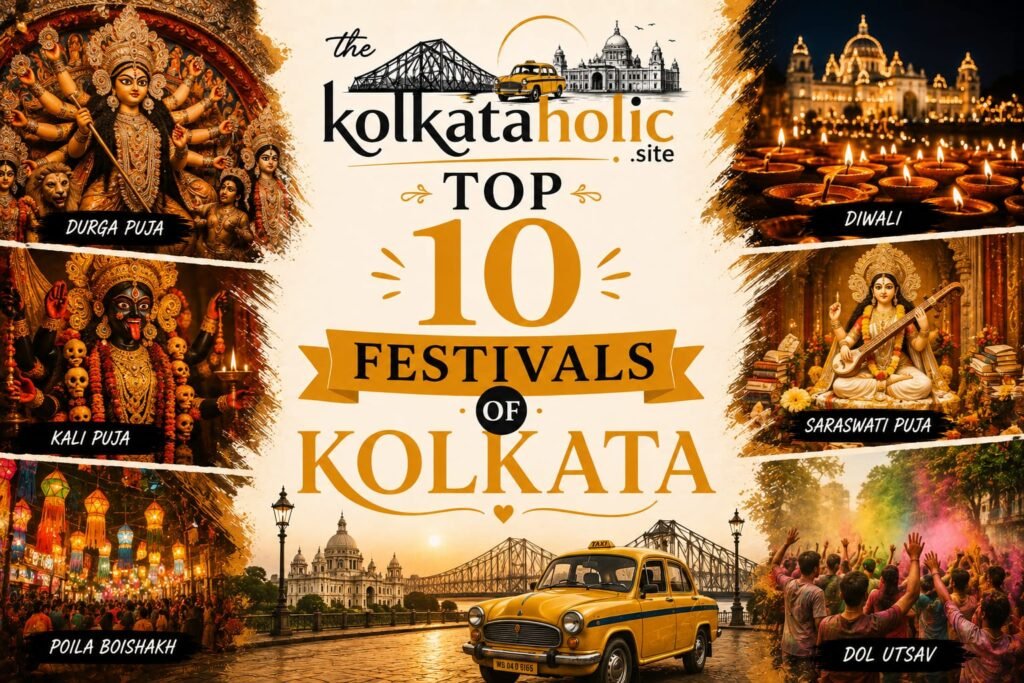
There’s an old Bengali proverb that sums up this state better than any tourism brochure ever could: “Baro mase tero parbon,” thirteen festivals in twelve months. Nowhere is that truer than in Kolkata, widely regarded as the Cultural Capital of India, a city where a festival is never more than a few weeks away. The 10 festivals that best capture the true essence of Bengal are Durga Puja, Kali Puja, Christmas on Park Street, the Kolkata International Film Festival, Saraswati Puja, Poush Mela and Basanta Utsav in Shantiniketan, Rash Mela at Cooch Behar Palace, Jagaddhatri Puja in Chandannagar, Nabanna, and Jamai Sasthi. Together they cover devotion, art, cinema, harvest, and even a festival built entirely around pampering your son-in-law.
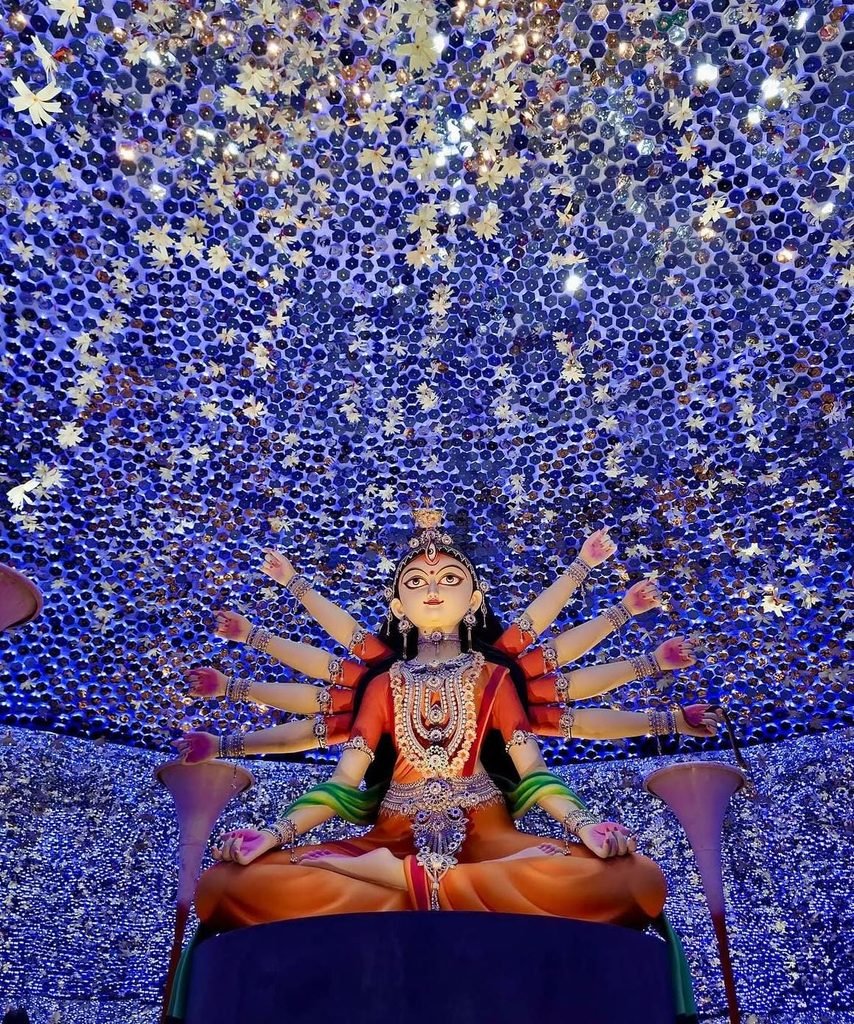
Durga Puja is Bengal’s defining festival, a ten-day citywide celebration of the goddess Durga’s victory over the buffalo demon Mahishasura, and it is unlike any other religious festival on earth in scale and artistry. In the months before it begins, artisans in Kumartuli sculpt the goddess and her family from unfired clay pulled straight from the Hooghly. The festival formally begins on Mahalaya, when eyes are painted onto the finished idols to bring them to life, and ends ten days later with immersion back into the same river, symbolising both farewell and homecoming.
In December 2021, UNESCO inscribed Durga Puja in Kolkata on its Representative List of the Intangible Cultural Heritage of Humanity, describing it as one of the world’s greatest examples of public art and community celebration. Over 2,500 pujas run in Kolkata alone, each with its own themed pandal, ranging from replicas of famous monuments to installations addressing social issues, turning the entire city into what UN officials have called the world’s largest open-air art gallery.
When: Ashwin month, usually late September to October, following the Bengali lunar calendar. Where to experience it: North Kolkata’s College Square and Bagbazar for tradition, South Kolkata’s Ekdalia Evergreen and Mudiali for spectacle.
Insider tip: skip the big-name pandals on Ashtami evening, the single most crowded night of the year, and instead go pandal-hopping on Saptami morning or Dashami, when the crowds thin and the artistry is just as visible.
2. Kali Puja
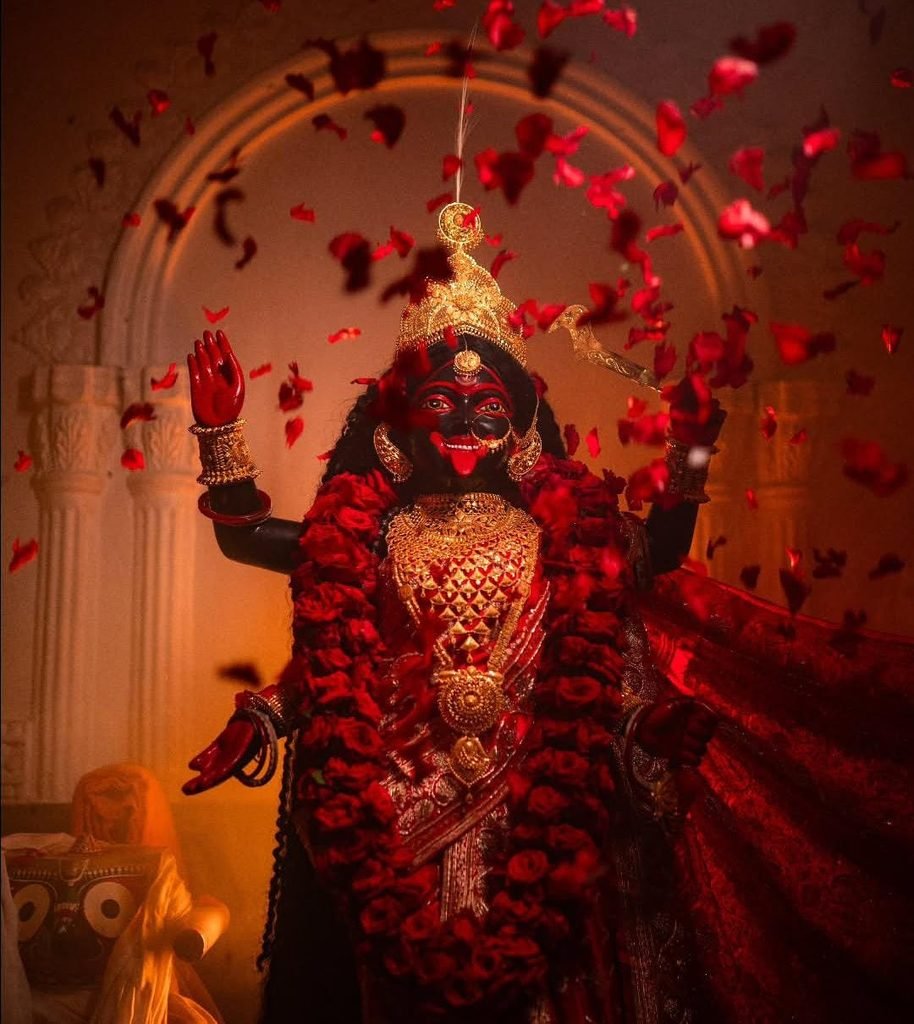
Arriving on the same night as Diwali, Kali Puja is Bengal’s own distinct answer to the festival of lights, dedicated to the fierce, dark-skinned goddess Kali rather than Lakshmi, who is worshipped elsewhere in India on this date. Where Diwali leans toward prosperity and light, Kali Puja leans into intensity: midnight rituals, tantric elements in some traditions, and idols depicting the goddess with her tongue out and a garland of skulls, symbolising the destruction of evil and ego.
Kalighat and Dakshineswar see the most devout crowds, while neighbourhoods across the city light diyas and burst fireworks well into the night, blending the solemnity of goddess worship with the same festive noise associated with Diwali elsewhere in India.
When: Kartik month, usually late October or early November, the same night as Diwali. Where to experience it: Kalighat Temple, Dakshineswar, and the many neighbourhood pandals across North Kolkata.
Insider tip: visit Kalighat Temple in the late evening rather than at midnight if you want to witness the rituals without the densest crowds.
3. Christmas on Park Street
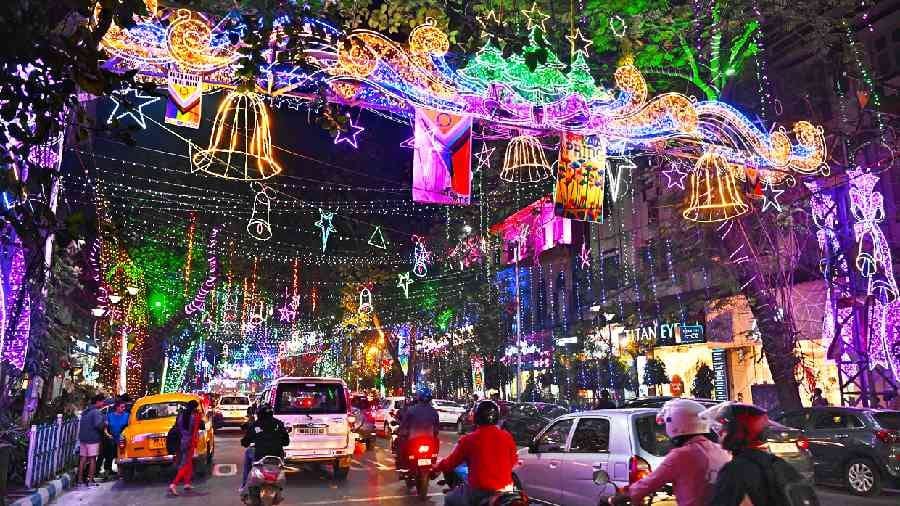
Kolkata’s Christmas has little to do with religion and everything to do with the city’s layered colonial and Anglo-Indian history. Park Street transforms into a corridor of fairy lights, carol music, and Christmas trees, with century-old bakeries like Nahoum’s in New Market selling rum balls and plum cakes that residents queue for every December, a tradition dating back generations.
It is one of the few times of year Kolkata’s Anglo-Indian, Christian, and secular communities all celebrate side by side, and the atmosphere on Park Street through the last week of December has become a cultural event in its own right, drawing visitors regardless of their faith.
When: Through December, peaking Christmas Eve and Christmas Day. Where to experience it: Park Street, Bow Barracks, and New Market for cake shopping.
Insider tip: order your Nahoum’s plum cake at least a week in advance. Queues stretch around the block by mid-December, and stock runs out fast.
4. Kolkata International Film Festival
Known locally as KIFF, the Kolkata International Film Festival is one of India’s oldest and most respected film festivals, drawing filmmakers, critics, and cinephiles from across the world for a week of screenings, retrospectives, and masterclasses. Kolkata’s own deep cinematic heritage, home to Satyajit Ray and a long tradition of Bengali art cinema, makes the festival feel like a natural extension of the city’s identity rather than an imported event.
When: Typically held in November or December each year. Where to experience it: Nandan, Rabindra Sadan, and Sisir Mancha, all clustered together in central Kolkata.
Insider tip: book tickets for retrospective screenings early. The classic and restored-print sections tend to sell out faster than newer premieres.
5. Saraswati Puja
Saraswati Puja honours the goddess of knowledge, music, and art, and in Bengal it has a distinctly youthful, almost romantic energy attached to it, thanks to its association with Bengali school and college life. Students traditionally wear yellow, the goddess’s colour, place their books and instruments before her idol to be blessed, and the day is affectionately remembered by generations of Bengalis as an unofficial “Bengali Valentine’s Day,” when young couples exchange their first shy glances at the neighbourhood pandal.
When: Magh month, usually late January or early February, on Basant Panchami. Where to experience it: School and college campuses across the city host their own community pujas, often open to visitors.
Insider tip: if you want to see the festival’s lighter, more youthful side, visit a college campus puja rather than a large public pandal.
6. Poush Mela & Basanta Utsav
Basanta Utsav at Shantiniketan
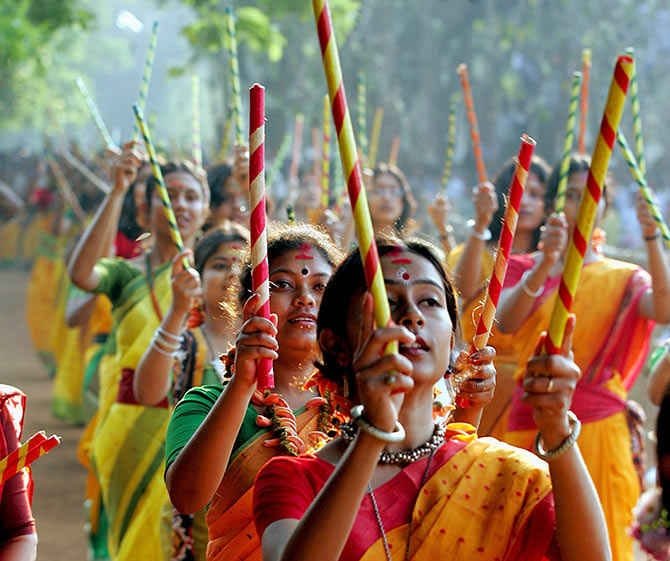
Founded by Rabindranath Tagore’s father and later shaped by the poet himself, Shantiniketan hosts two festivals that capture Bengal’s rural, artistic soul in a way Kolkata’s urban celebrations don’t. Poush Mela is a winter harvest and folk fair featuring Baul singers, tribal dance, handloom textiles, and local crafts spread across open fields. Basanta Utsav, held a few months later, is Shantiniketan’s own joyous take on Holi, with students of Visva-Bharati University performing dance and song in colourful spring attire as powdered colours fill the air, a tradition Tagore himself started.
When: Poush Mela in December, Basanta Utsav in March around Holi. Where to experience it: Visva-Bharati University campus and the surrounding Poush Mela grounds in Shantiniketan, about three hours from Kolkata by train.
Insider tip: book accommodation in Shantiniketan well ahead for both festivals. The small town’s guesthouses fill up fast, and many visitors day-trip from Kolkata instead if they book too late.
7. Rash Mela
Rash Mela at Cooch Behar Palace
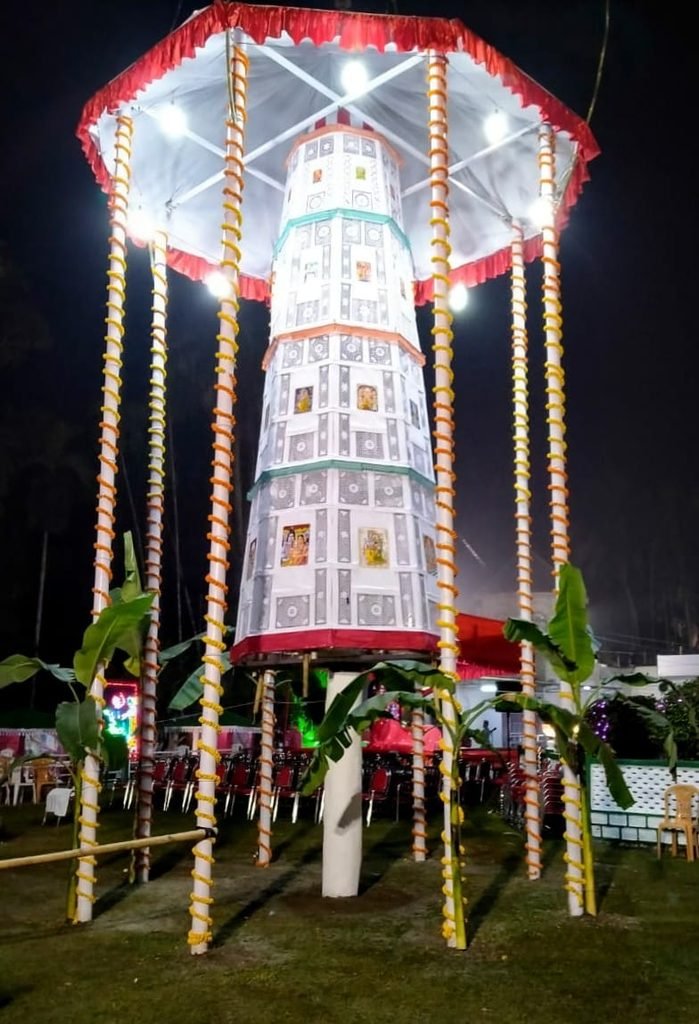
Rash Mela is North Bengal’s grandest fair, held beside the Madan Mohan Temple next to Cooch Behar Palace, and traces back to 1812, when Maharaja Harendra Narayan shifted his kingdom’s capital and marked the occasion on Rash Purnima. The tradition has continued almost every year since, centred around the ceremonial rotation of the Raash Chakra, a wheel crafted jointly by Hindu and Muslim artisan families, a detail that reflects the syncretic character of the festival even today.
Unlike Nabadwip’s version of Rash Purnima, which centres on Radha-Krishna, Cooch Behar’s Rash Mela worships Sri Krishna alone in the form of the royal deity Madan Mohan, and the surrounding fair draws crowds from across North Bengal, Assam, and even Tripura for its folk crafts, food stalls, and cultural performances.
When: Kartik Purnima, usually November. Where to experience it: Rash Mela Ground beside Cooch Behar Palace, roughly a 12-hour journey from Kolkata by train.
Insider tip: pair the mela with a visit to Cooch Behar Palace itself, since the fair grounds sit right beside it and both are best explored on the same trip.
8. Jagaddhatri Puja
Jagaddharti Puja, Chandannagar
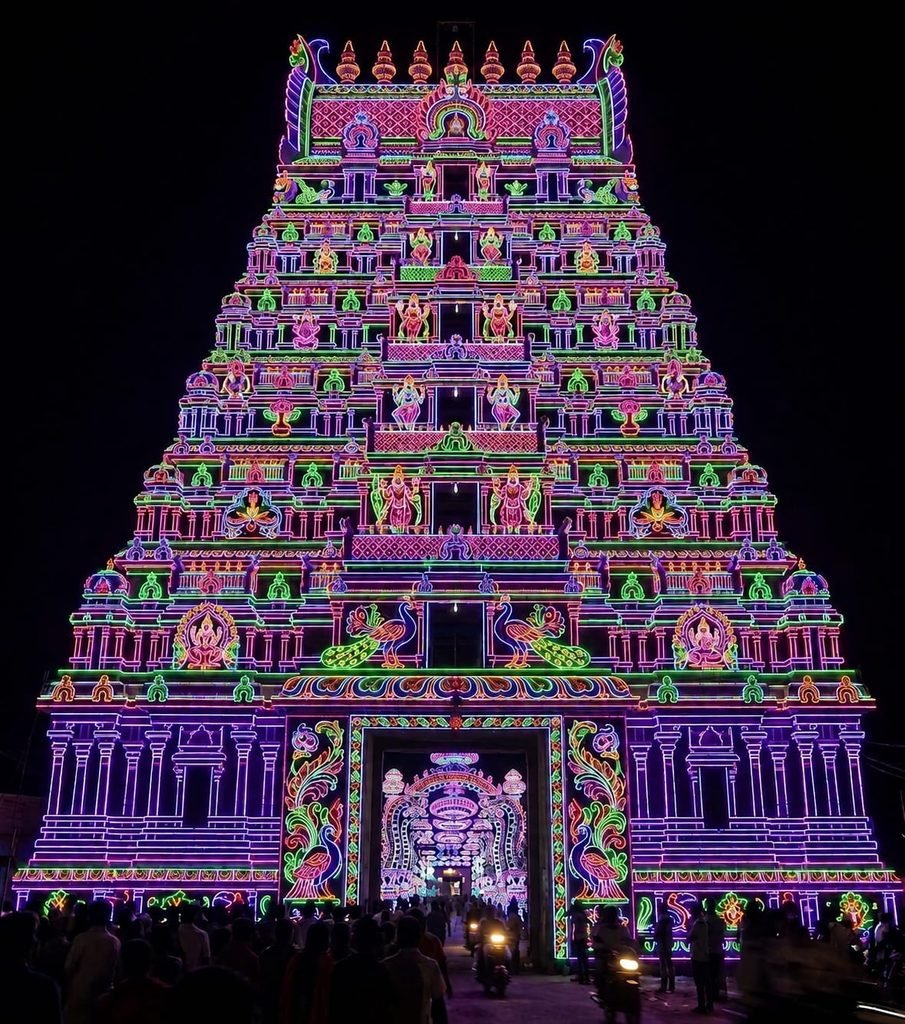
Held four weeks after Durga Puja, Jagaddhatri Puja in Chandannagar has earned the town its nickname, the City of Lights, for lighting displays so elaborate that the local artistry has become globally recognised in its own right. The tradition traces back to Maharaja Krishnachandra of Nadia in the 18th century, but it was Chandannagar’s unique blend of French colonial influence and Bengali devotional culture that shaped the festival’s visual identity, with artists creating vast three-dimensional light sculptures depicting mythological scenes, famous monuments, and even satirical political tableaux. The procession on the final day is considered the second-largest lighted procession in the world after Rio’s carnival, and lighting artists from Chandannagar have gone on to design displays for events across India, making the town a genuine centre of craft, not just a smaller echo of Kolkata’s Durga Puja.
When: Kartik month, four weeks after Durga Puja, typically November. Where to experience it: Chandannagar, about an hour from Kolkata by train or road.
Insider tip: visit on the immersion day for the full lighted procession, but arrive early since the narrow streets get extremely congested by evening.
9. Nabanna
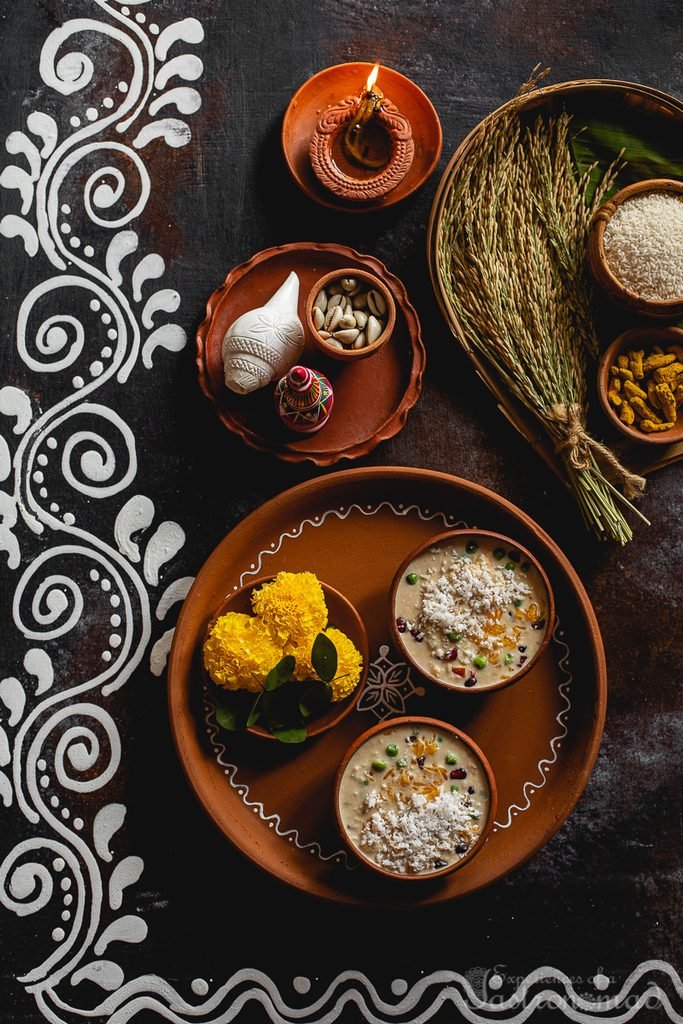
Nabanna, meaning “new rice,” is Bengal’s harvest festival, older and more agrarian than the region’s more famous religious celebrations, marking the arrival of the fresh winter paddy crop. Families cook the season’s first rice into dishes like payesh, a sweet rice pudding, and offer it to deities and elders before anyone else eats it, a small ritual act of gratitude that predates most of Bengal’s temple-centred festivals.
It is celebrated far more visibly in rural Bengal than in Kolkata itself, but the festival’s spirit survives in the city through seasonal winter sweets made with nolen gur, the fresh date-palm jaggery that only appears in markets around this time of year.
When: Agrahayan month, usually mid-November to mid-December. Where to experience it: Rural Bengal villages for the full ritual, or Kolkata’s sweet shops for the seasonal nolen gur treats it inspires.
Insider tip: if you can’t travel to rural Bengal for Nabanna itself, look for nolen gur sandesh and payesh at Kolkata’s heritage sweet shops through December, since the season is short.
10. Jamai Sasthi
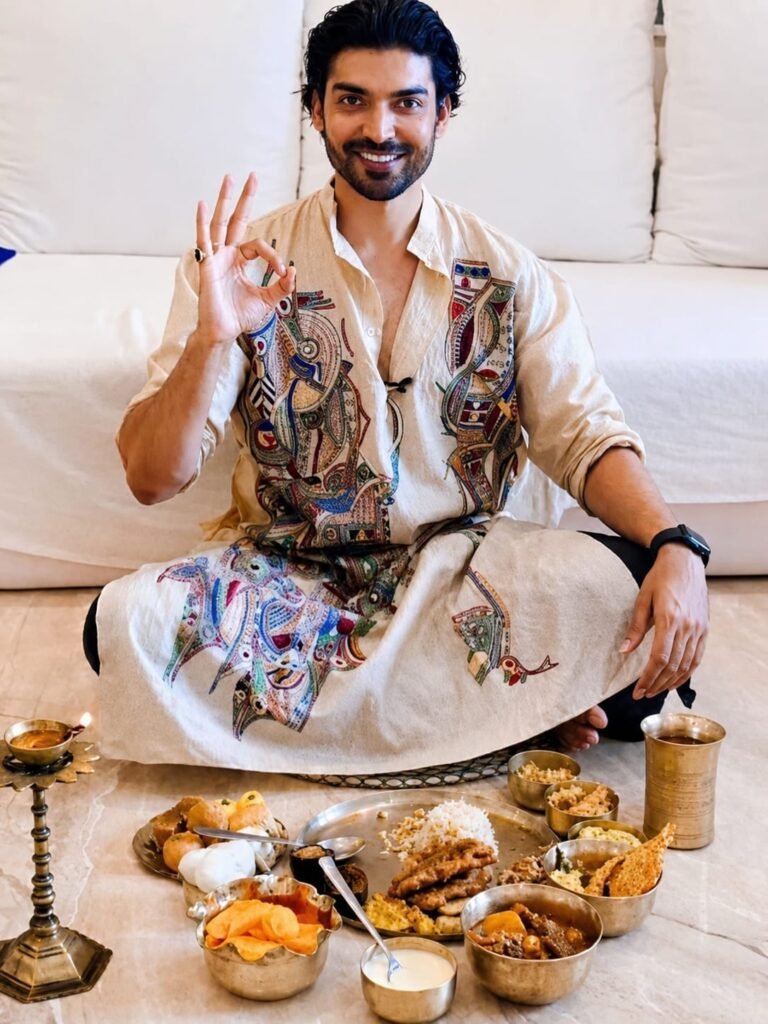
Few festivals capture Bengali domestic culture quite like Jamai Sasthi, a day devoted entirely to pampering the son-in-law. Married daughters invite their husbands home, where mothers-in-law prepare an elaborate feast, often including hilsa fish, mutton, and an array of sweets, while blessing the couple for a long and prosperous married life. Despite having no grand public spectacle, it remains one of the most emotionally significant dates on the Bengali household calendar, a rare festival built around family affection rather than deity worship.
When: Jyeshtha month, usually late May or early June. Where to experience it: This is a home-based festival, best experienced by visiting a Bengali family or trying a Jamai Sasthi special thali at a Bengali restaurant during the season.
Insider tip: several Bengali restaurants in Kolkata run special Jamai Sasthi thalis around this date. Booking one is the easiest way for an outsider to experience the festival’s food culture firsthand.
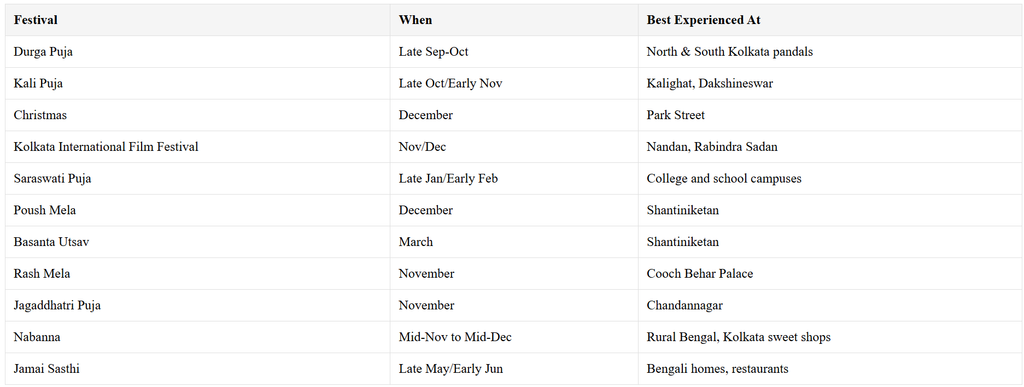
Quick reference table
Frequently asked questions
Why is Durga Puja recognised by UNESCO?
UNESCO inscribed Durga Puja in Kolkata on its Representative List of the Intangible Cultural Heritage of Humanity in December 2021, recognising it as one of the world’s greatest examples of public art, community participation, and living cultural tradition rather than a purely religious event.
What is the best festival to visit Kolkata for as a first-time tourist?
Durga Puja offers the fullest experience of the city’s culture in one trip, combining art, food, music, and devotion across just ten days, though visitors interested in a quieter, more rural side of Bengal may prefer Poush Mela in Shantiniketan.
Why is Chandannagar called the City of Lights in Bengal?
Chandannagar earned this nickname through its Jagaddhatri Puja lighting displays, which have grown into an internationally recognised art form of their own, with local lighting artists now designing installations for major events across India.
What does “Baro mase tero parbon” mean?
It is a Bengali proverb meaning “thirteen festivals in twelve months,” reflecting how densely packed Bengal’s festive calendar is, with celebrations spanning religion, harvest, art, and family life occurring almost every month of the year.