
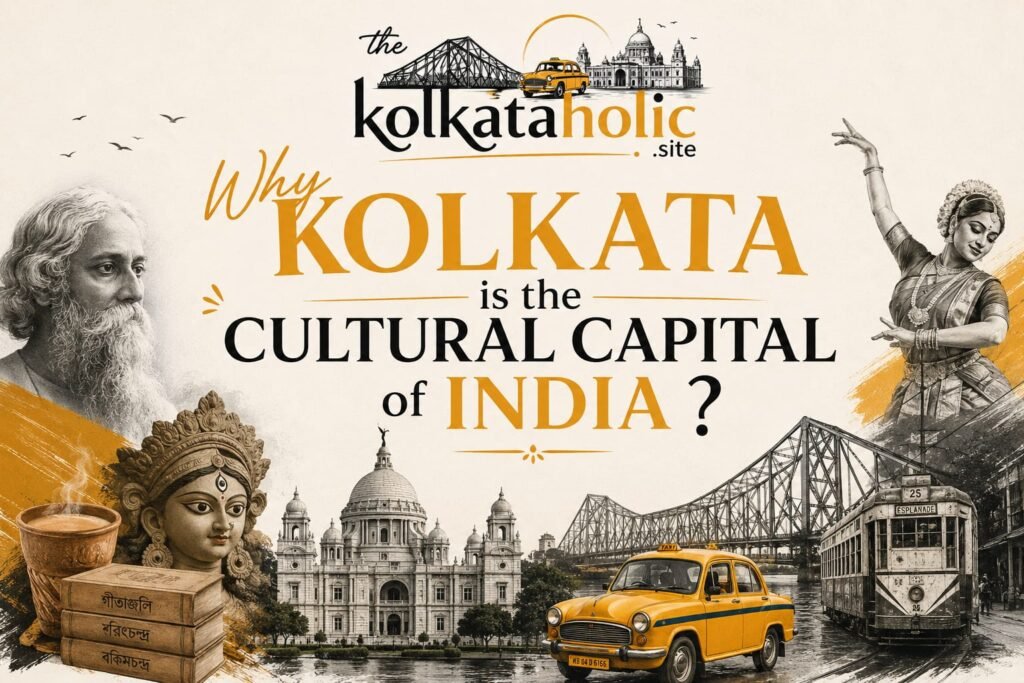
Kolkata is widely known as the Cultural Capital of India because it was the birthplace of the Bengal Renaissance, the 19th century intellectual movement that reshaped Indian literature, art, science, and social reform. Add to that a city that gave India its first Nobel laureate, invented the adda as a public art form, turned Durga Puja into a UNESCO-recognised community festival, and still treats bookshops, theatre, and street-corner debate as everyday life, and the title stops feeling like a slogan and starts feeling earned.
In this article
- The Bengal Renaissance: where it all began
- Rabindranath Tagore and the Nobel that changed everything
- Adda: Kolkata’s unofficial national sport
- Durga Puja and the festival calendar that never stops
- The institutions that built the city’s intellectual spine
- Food and coffee house culture as cultural expression
- Is Kolkata still the Cultural Capital today?
- Quick reference: Kolkata’s cultural credentials
- FAQ
What was the Bengal Renaissance and why did it start in Kolkata?
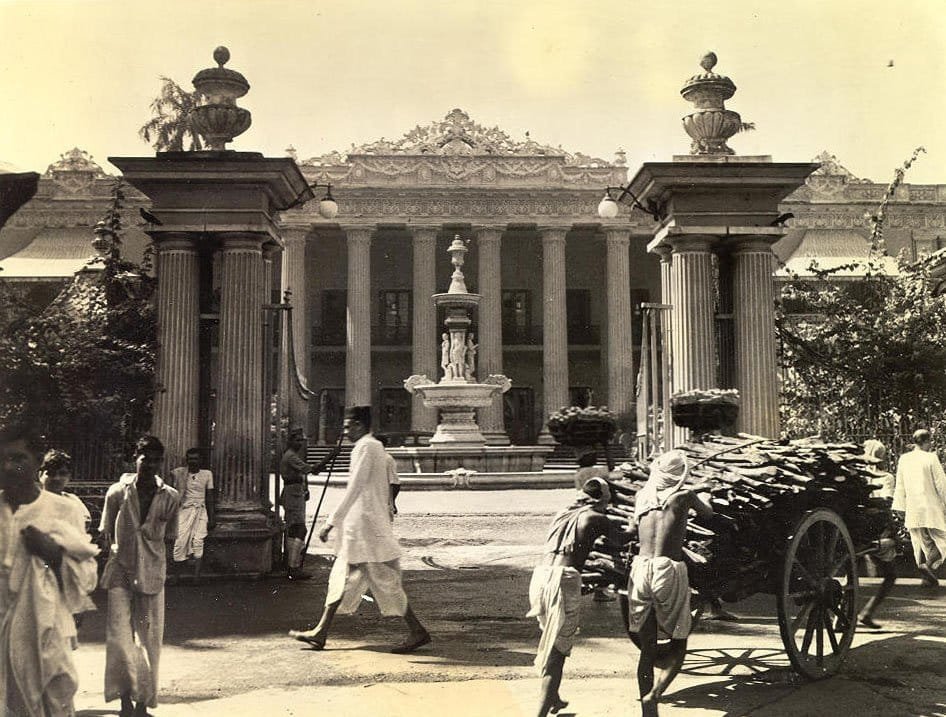
The Bengal Renaissance was a period of intellectual and social awakening that unfolded through the 19th century, and Kolkata (then Calcutta) was its stage because it was the capital of British India until 1911. That status pulled in printing presses, English-language education, trading wealth, and a constant churn of new ideas, all concentrated in one city.
Reformers like Raja Ram Mohan Roy and Ishwar Chandra Vidyasagar used that platform to push against social evils, modernise education, and champion widow remarriage and women’s literacy, decades before these became national conversations. Bankim Chandra Chattopadhyay gave Bengali fiction a new voice, and later Sunil Gangopadhyay and Shankha Ghosh kept that literary lineage alive well into the 20th century. None of this happened by accident. It happened because Kolkata had the presses, the colleges, and the audience for it, all in the same few square kilometres around College Street and Chowringhee.
How did Rabindranath Tagore shape Kolkata’s cultural identity?
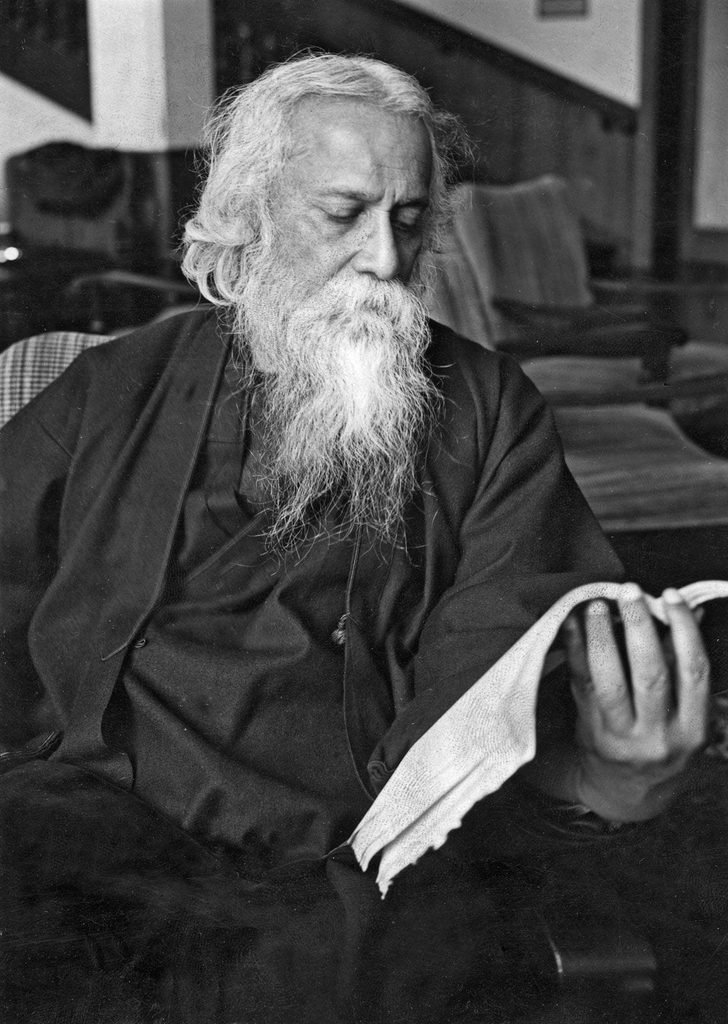
Rabindranath Tagore became the first non-European Nobel laureate in Literature in 1913, and that single achievement did more for Kolkata’s cultural reputation than almost anything else in its history. He composed roughly 2,230 songs, now sung across Bengal as Rabindra Sangeet, and wrote poetry, plays, and essays that are still taught, performed, and quoted daily in the city.
Tagore was not working alone. Musicians like Ravi Shankar and dancers like Uday Shankar, who blended Indian and Western forms decades before “fusion” was a marketing word, both used Kolkata as their base. Together they built a template that later generations of Bengali filmmakers, most famously Satyajit Ray, would inherit and extend onto the global stage.
What is adda, and why does it matter to Kolkata’s culture?
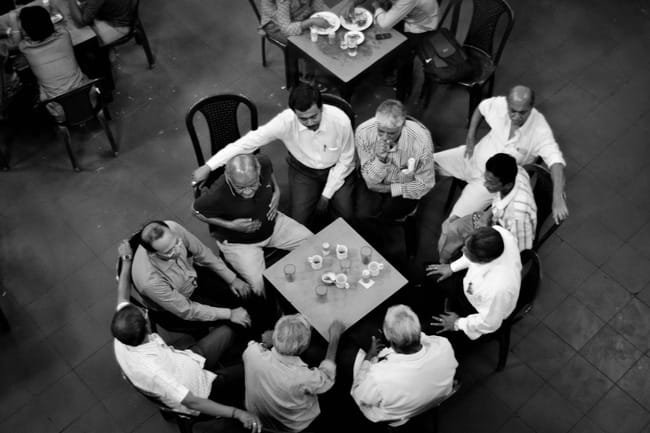
Adda is the Bengali tradition of long, unhurried, opinionated conversation, and Kolkata treats it almost like a civic institution. Walk past any tea stall, park bench, or coffee house table in the city and you will find people debating cricket, cinema, politics, and poetry with equal seriousness, often for hours, with no particular goal beyond the conversation itself.
It sounds informal, but adda has produced real cultural output. Ideas for magazines, films, protest movements, and literary journals have all been known to start life as an adda before becoming anything official. The habit of treating conversation as a form of art, rather than just small talk, is one of the clearest everyday signs of why locals and visitors alike describe Kolkata as India’s most intellectually alive city.
How do Kolkata’s festivals reflect its cultural capital status?
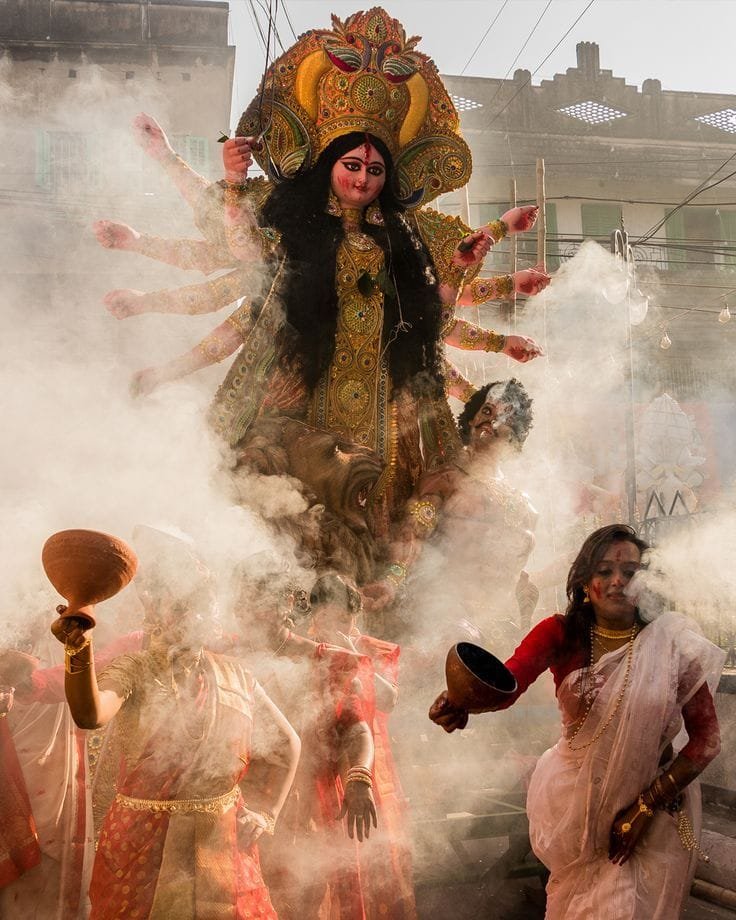
Durga Puja is Kolkata’s clearest cultural showcase, and in 2021 UNESCO inscribed it on the Representative List of the Intangible Cultural Heritage of Humanity, recognising it as more than a religious event. For five days, entire neighbourhoods transform into open-air art galleries, with pandals designed by working artists, idols hand-built by the potters of Kumartuli, and crowds that treat pandal-hopping as a citywide cultural pilgrimage rather than a shopping trip.
But Durga Puja is only the headline act. Bengalis have a saying, “baro mase tero parbon,” meaning thirteen festivals in twelve months, and Kolkata lives up to it with Poila Boishakh (Bengali New Year), Saraswati Puja, Kali Puja, Christmas on Park Street, and Baul music gatherings that keep the state’s folk and mystic singing traditions audible in the middle of a modern metropolis.
Which institutions built Kolkata’s reputation as a cultural hub?
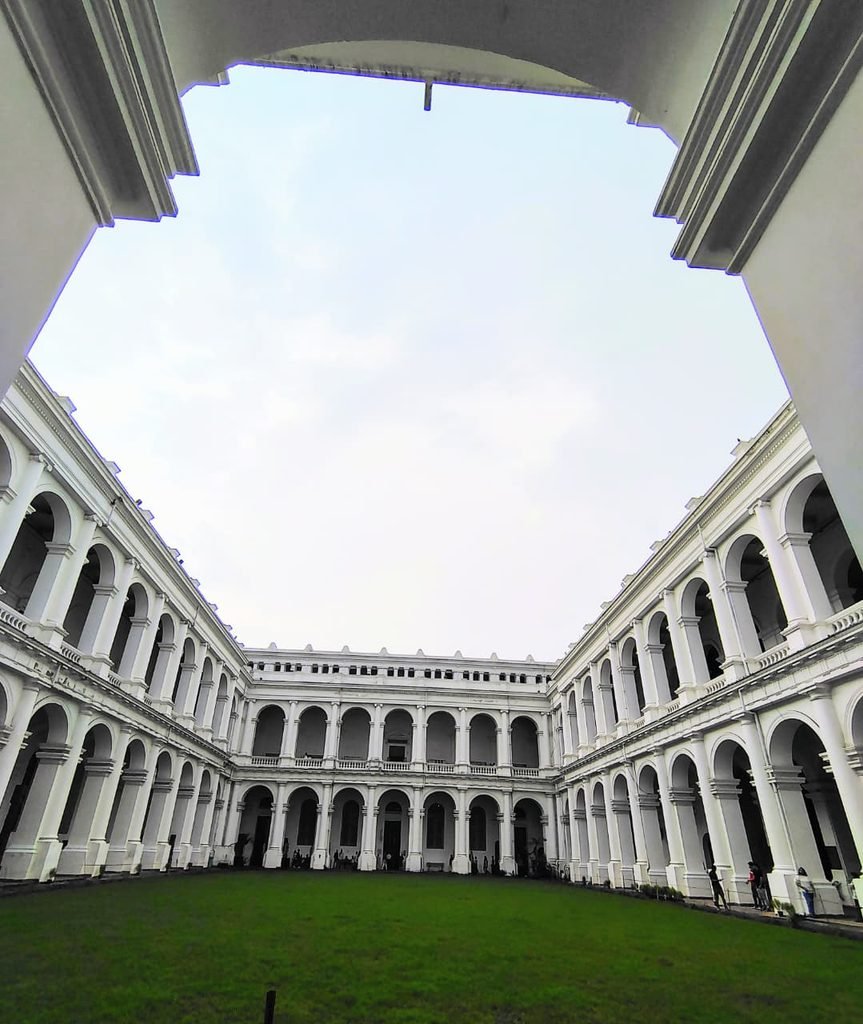
Kolkata’s cultural weight is backed by some genuinely old and significant institutions. The Asiatic Society was founded in 1784 by Sir William Jones to encourage Oriental studies, and it grew into one of the most important research bodies in colonial India, with a library holding over 100,000 volumes and 27,000 Sanskrit manuscripts. The Indian Museum followed in 1814, founded out of the Asiatic Society, and it remains the oldest and largest museum in India as well as one of the oldest in the world.
The University of Calcutta, established in 1857, became one of the earliest modern universities in Asia and trained generations of scientists, writers, and civil servants. Add the Indian Society of Oriental Art, founded in 1907 by Abanindranath and Gaganendranath Tagore, and you get a city with more than two centuries of continuous, institutionally backed cultural production, which is rare even by Indian standards.
Is Kolkata’s food and coffee house culture part of its cultural identity?
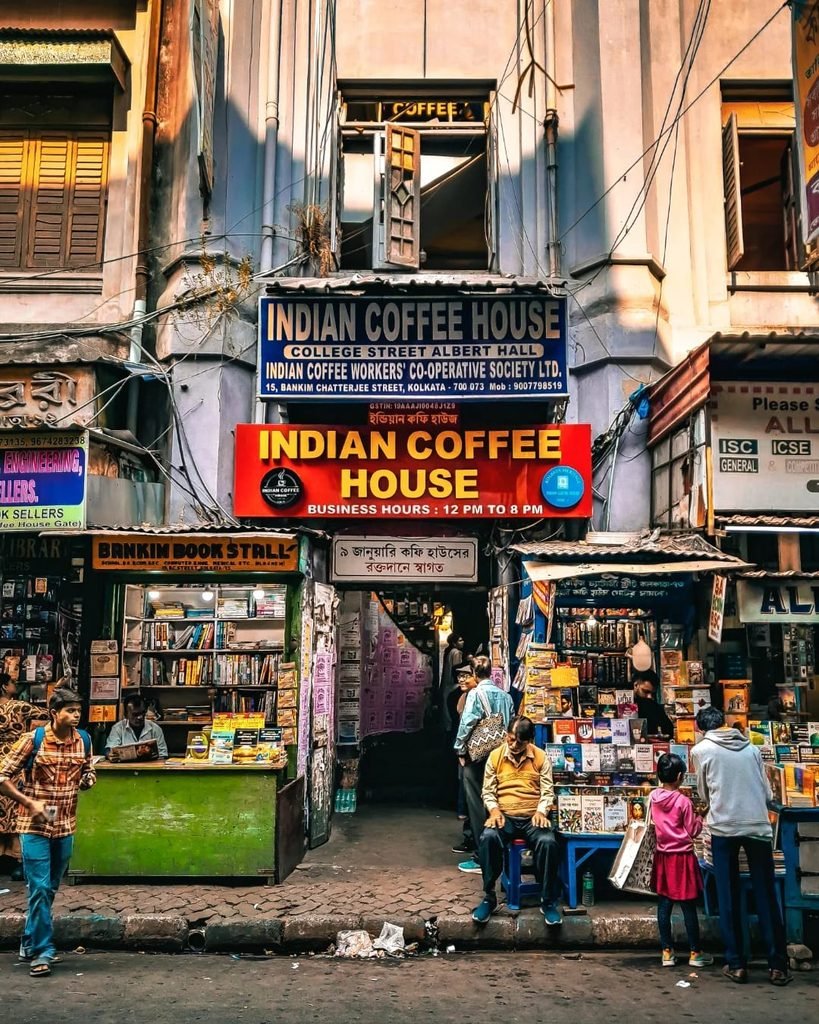

Yes, and locals would argue it is inseparable from everything else on this list. The Indian Coffee House on College Street has hosted student politics, literary arguments, and film movements over cups of coffee since the 1940s, functioning as an informal parliament for the city’s writers and thinkers. Street food traditions like puchka, kathi rolls, and Kolkata biryani carry their own histories of migration and adaptation, blending Mughlai, Anglo-Indian, and Bengali influences into dishes found nowhere else in quite the same form.
Food in Kolkata is rarely just food. It is tied to addas, to festival calendars, to specific neighbourhoods and the families that have run the same shop for three generations, which is exactly the kind of layered, lived-in culture that separates a Cultural Capital from a city that simply has good restaurants.
Is Kolkata still considered the Cultural Capital of India today?
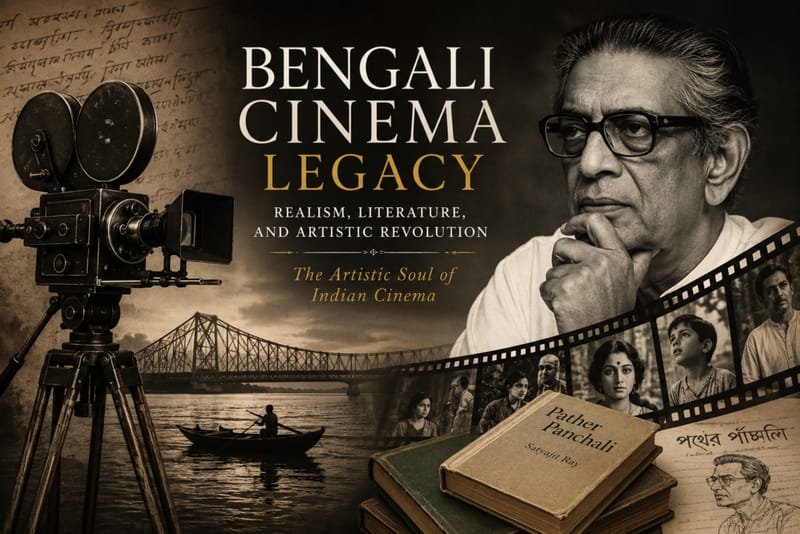
Kolkata is not India’s economic powerhouse the way Mumbai or Bengaluru are, and it does not try to be. What it has held onto is a working culture of art, literature, cinema, and public conversation that keeps producing new voices rather than only celebrating old ones. Contemporary theatre groups, independent filmmakers, and young Bengali writers still use the city’s older institutions, para (neighbourhood) clubs, and adda circles as their starting point, which is why the label “Cultural Capital of India” has outlasted the shift of the actual capital to Delhi in 1911 by well over a century.
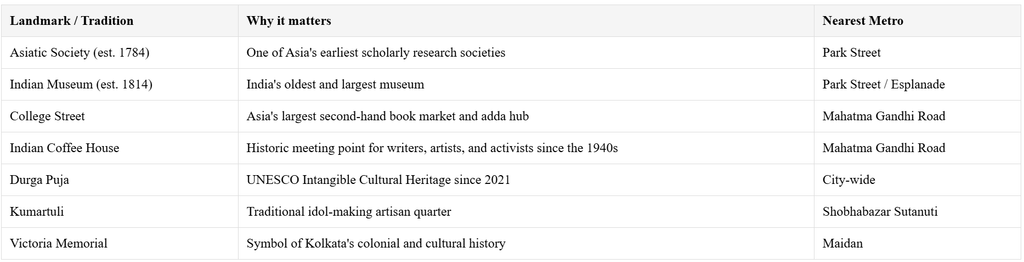
Quick Reference Table: Kolkata’s cultural credentials
Frequently asked questions
Why is Kolkata called the Cultural Capital of India?
Kolkata is called the Cultural Capital of India because it was the centre of the Bengal Renaissance, home to India’s first Nobel laureate Rabindranath Tagore, and it continues to sustain a living culture of literature, art, festivals, and public conversation that few other Indian cities match in depth or continuity.
When did Kolkata stop being the capital of India?
Kolkata was the capital of British India until 1911, when the British shifted the capital to New Delhi, partly due to growing nationalist activity concentrated in Bengal.
What is the Bengal Renaissance?
The Bengal Renaissance was a 19th century movement of social, religious, and literary reform centred in Kolkata, led by figures like Raja Ram Mohan Roy, Ishwar Chandra Vidyasagar, and later Rabindranath Tagore, which reshaped Indian thought on education, women’s rights, and literature.
What does “baro mase tero parbon” mean?
It is a Bengali proverb meaning “thirteen festivals in twelve months,” used to describe how densely packed Bengal’s festival calendar is, from Durga Puja and Kali Puja to Poila Boishakh and Saraswati Puja.
Is Durga Puja recognised internationally?
Yes. UNESCO added Durga Puja in Kolkata to its Representative List of the Intangible Cultural Heritage of Humanity in 2021, recognising it as a major community art and heritage event, not just a religious festival.
What is adda culture in Kolkata?
Adda is the Bengali tradition of extended, informal, opinionated conversation, typically over tea or coffee, covering everything from politics to poetry. It is considered one of Kolkata’s defining cultural habits and has historically influenced literature, film, and activism in the city.
Exploring more of Kolkata’s culture and heritage?
Follow The Kolkata Holic for deeper dives into the city’s neighbourhoods, festivals, and food traditions.