
If you leave Kolkata without eating at least five things off this list, you have not actually visited Kolkata. This is a city that treats sugar the way other cities treat religion, with reverence, ritual, and centuries of family recipes passed down mouth to mouth. Here are the 10 desserts you need to eat here, exactly where locals go to get the real thing, what each one tastes like, what it is made of, and the small details that turn a sweet shop visit into an actual memory.
1. Rosogolla, the Original Icon
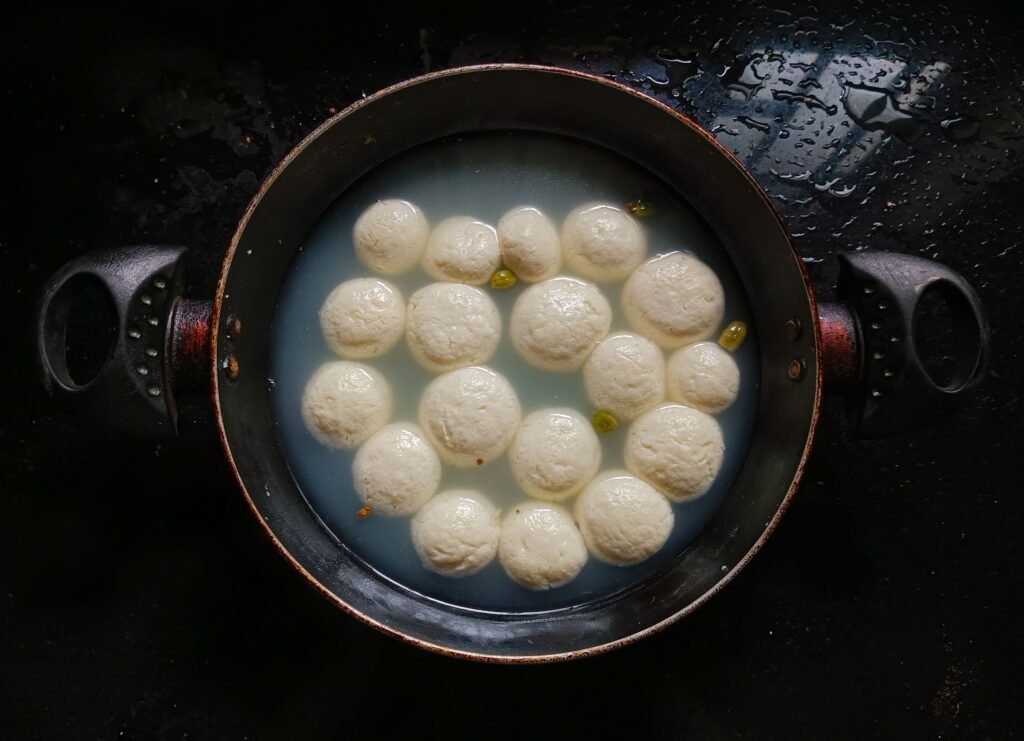
Start here, always. Rosogolla is spongy balls of chhana (fresh cottage cheese) rolled smooth, cooked in a light sugar syrup until they double in size and turn impossibly soft. Legend has it Nobin Chandra Das invented it in 1868 at his shop in Baghbazar, north Kolkata, and Bengal has never looked back.
What it tastes like: Barely-there sweetness with a clean milky flavour, and a texture so soft that a good rosogolla should almost dissolve the moment it touches your tongue, releasing a light syrup with each bite.
What it is made of: Chhana (curdled cow’s milk), a pinch of semolina or flour to bind it, rolled into balls, and boiled in sugar syrup until they puff up.
Where to try it: Nobin Chandra Das & Sons in Shobhabazar, where the original recipe was born, or K.C. Das, run by Nobin’s descendants, which popularised the sweet across India through its famous canned rosogollas. Bhim Chandra Nag in Bowbazar, running since 1826, is another shop locals swear by for a softer, more delicate version.
Traveller tip: Eat it fresh, the same day, at room temperature, never chilled straight out of the fridge. Refrigeration mutes the texture. If you are told the rosogolla is “at its peak” a few hours after being made, believe it, and go then.
2. Nolen Gurer Sandesh, Winter’s Gift
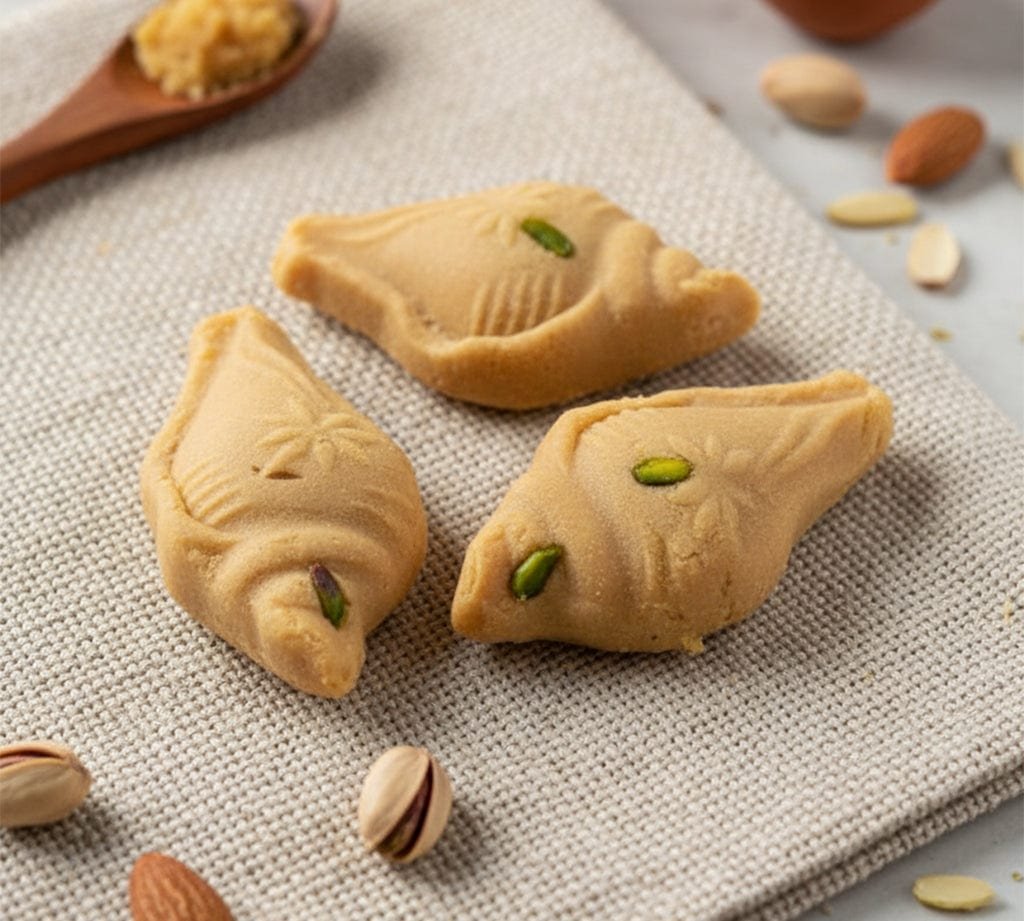
If rosogolla is Kolkata’s most famous export, nolen gurer sandesh is its best-kept local secret, mostly because it only exists for a few weeks a year. Nolen gur is date palm jaggery, tapped from palm trees between November and January, and when Bengali confectioners fold it into sandesh, they create what many Bengalis consider the single greatest sweet of the year.
What it tastes like: Earthy, caramel-like sweetness with a faint smoky undertone from the jaggery, layered over the delicate milkiness of fresh chhana. It is richer and more complex than sugar-based sandesh, almost dessert-and-flavour-experience in one bite.
What it is made of: Fresh chhana kneaded and lightly cooked with nolen gur (date palm jaggery) instead of refined sugar, then shaped by hand, sometimes into simple discs, sometimes into intricate moulded shapes.
Where to try it: Balaram Mullick & Radharaman Mullick in Bhowanipore is the name every Kolkata local mentions first, particularly for their nolen gurer jolbhora sandesh (a sandesh with liquid jaggery hidden inside). Ganguram’s, running since the 1880s, is equally beloved for its nolen gur specials.
Traveller tip: This is strictly a winter dessert, roughly December through February. If you are visiting Kolkata outside those months, you will not find the real thing, no matter how convincingly a shop tries to sell you a sugar substitute. Plan your trip around winter if this is on your bucket list.
3. Mishti Doi, Sweet Curd in a Clay Pot
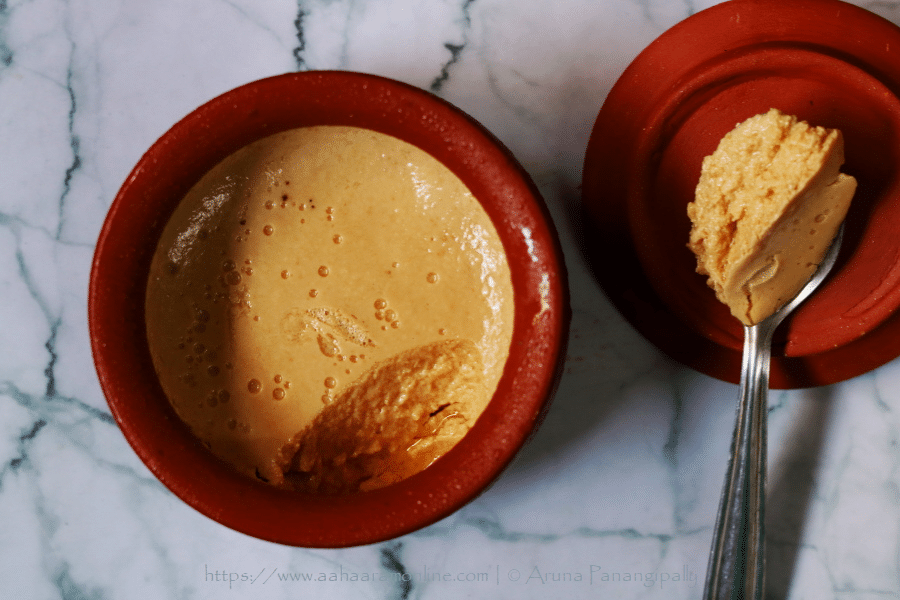
Mishti doi is the dessert Bengalis eat after literally every meal that matters, weddings, festivals, Sunday lunches, the works. It is sweetened, caramelised yogurt set in small earthen clay pots, and the clay pot is not just for looks. It genuinely changes the flavour.
What it tastes like: Thick, custard-like, and faintly caramelised from the jaggery or caramelised sugar used to sweeten the milk, with a subtle earthiness from the clay pot that a steel or plastic container simply cannot replicate.
What it is made of: Full-fat milk reduced and caramelised, mixed with a yogurt culture, and set undisturbed inside unglazed clay pots (called bhaars) so the porous clay absorbs excess moisture and imparts its distinctive earthy note.
Where to try it: Sen Mahasay in Shyambazar and its other outlets are known specifically for their mishti doi, alongside Ganguram’s and Balaram Mullick, where it is a reliable year-round order.
Traveller tip: Always eat it directly from the clay pot with a spoon, never transfer it to a bowl. And do not throw the empty pot away without checking, some shops let you keep it as a small, genuinely charming souvenir.
4. Langcha, the Dark Syrupy Cylinder
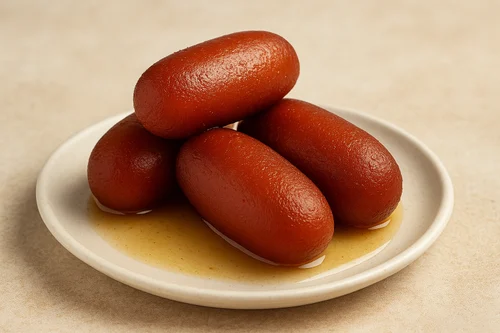
Langcha looks almost intimidating the first time you see it, a dark brown, cylindrical, deep-fried sweet, noticeably bigger and heavier than a rosogolla. It hails from Shaktigarh in Bardhaman district, a couple of hours from Kolkata, where an entire highway strip is now lined with langcha shops competing for the title of “the original.”
What it tastes like: Deeply caramelised and slightly chewy on the outside from the frying, with a soft, spongy interior soaked through with sugar syrup. It is denser and more indulgent than rosogolla, with a toasted, almost nutty edge to the sweetness.
What it is made of: Chhena (or khoya in some versions) mixed with a little flour, shaped into cylinders, deep-fried until deep brown, then soaked in sugar syrup until fully saturated.
Where to try it: Kamala Sweets in south Kolkata is well known for its langcha, but for the real pilgrimage experience, make time for a highway stop at Shaktigarh on Grand Trunk Road if you are travelling toward Bardhaman or Durgapur, where dozens of roadside shops sell langcha still warm from the syrup.
Traveller tip: Eat it slightly warm if you can get it fresh. It is heavier than most Bengali sweets, so one is usually plenty, no matter how tempting the second one looks.
5. Chomchom, the Elegant Cousin of Rosogolla
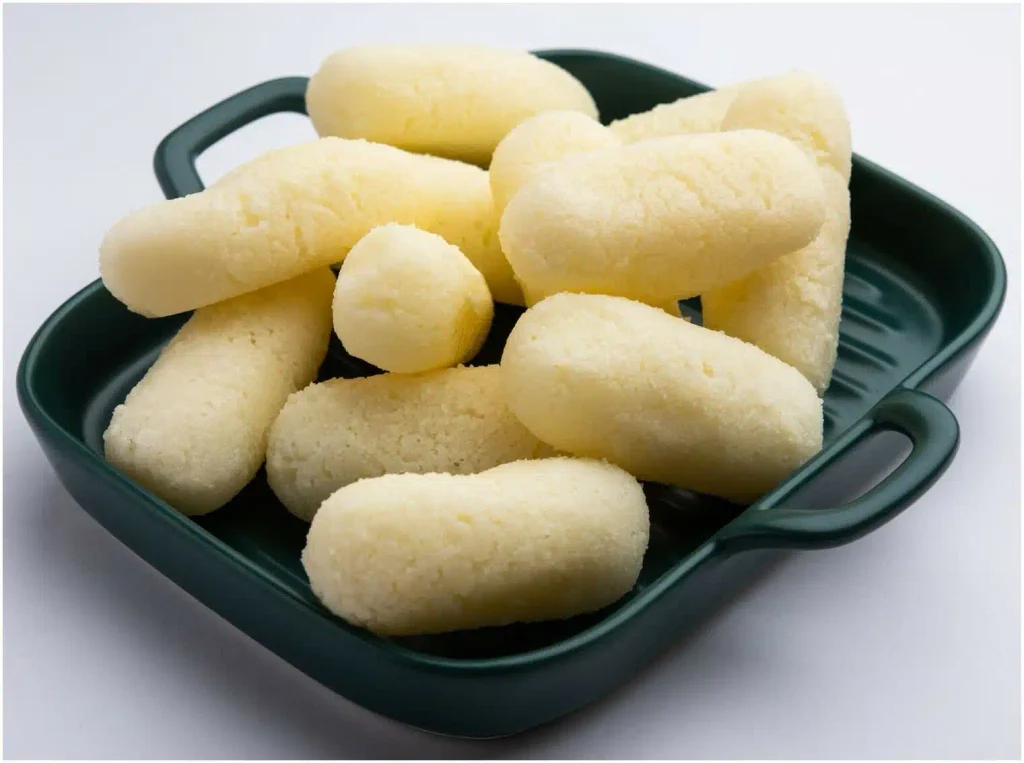
Chomchom is what happens when Bengali confectioners decide rosogolla needs a more refined, oval-shaped cousin with a coating of desiccated coconut or khoya on top. It is one of the more visually striking sweets on this list, and one of the more rewarding to eat slowly.
What it tastes like: Similar base sweetness to rosogolla, but denser and slightly chewier, with the outer coating adding either a nutty, coconutty crunch or a rich, milky finish depending on the variety.
What it is made of: Chhana shaped into ovals, boiled in syrup like rosogolla, then coated in either grated coconut, khoya (reduced milk solids), or sometimes a light sugar glaze.
Where to try it: Ganguram’s is particularly known for its malai chomchom, while most heritage shops across the city carry a solid version worth trying.
Traveller tip: Order a mixed box with both rosogolla and chomchom side by side so you can taste the texture difference in the same sitting. It makes the distinction much clearer than trying them on separate days.
6. Rosomalai, Rosogolla’s Richer Sibling
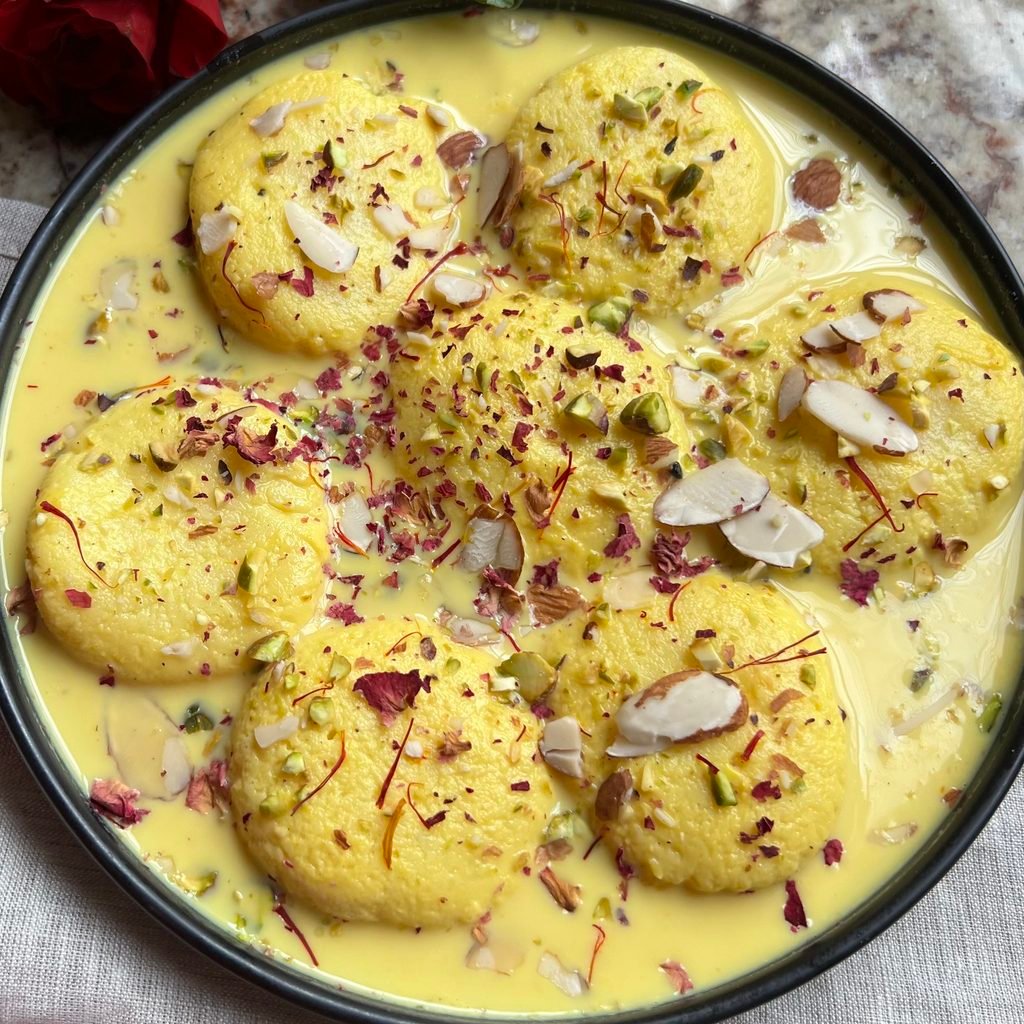
If rosogolla is Kolkata’s most famous sweet, rosomalai is arguably its most luxurious one. Invented by K.C. Das himself as an experiment building on his father’s rosogolla recipe, it takes the same soft chhana base and drowns it in thickened, sweetened milk instead of sugar syrup.
What it tastes like: Rich, creamy, and delicately fragrant, often finished with a hint of cardamom, saffron, or crushed pistachio. It is heavier and more decadent than rosogolla, closer to a milk pudding than a syrupy sweet.
What it is made of: Flattened chhana balls simmered briefly, then soaked in rabri, which is milk slowly reduced and thickened until it becomes a dense, sweet cream.
Where to try it: K.C. Das, the birthplace of the sweet, remains the definitive stop, with outlets across the city including the well-known Esplanade branch.
Traveller tip: This one travels less well than rosogolla, since the milk base spoils faster in Kolkata’s heat and humidity. Eat it on the spot rather than carrying it back to your hotel for later.
7. Kheer Kadam, Two Sweets in One Bite
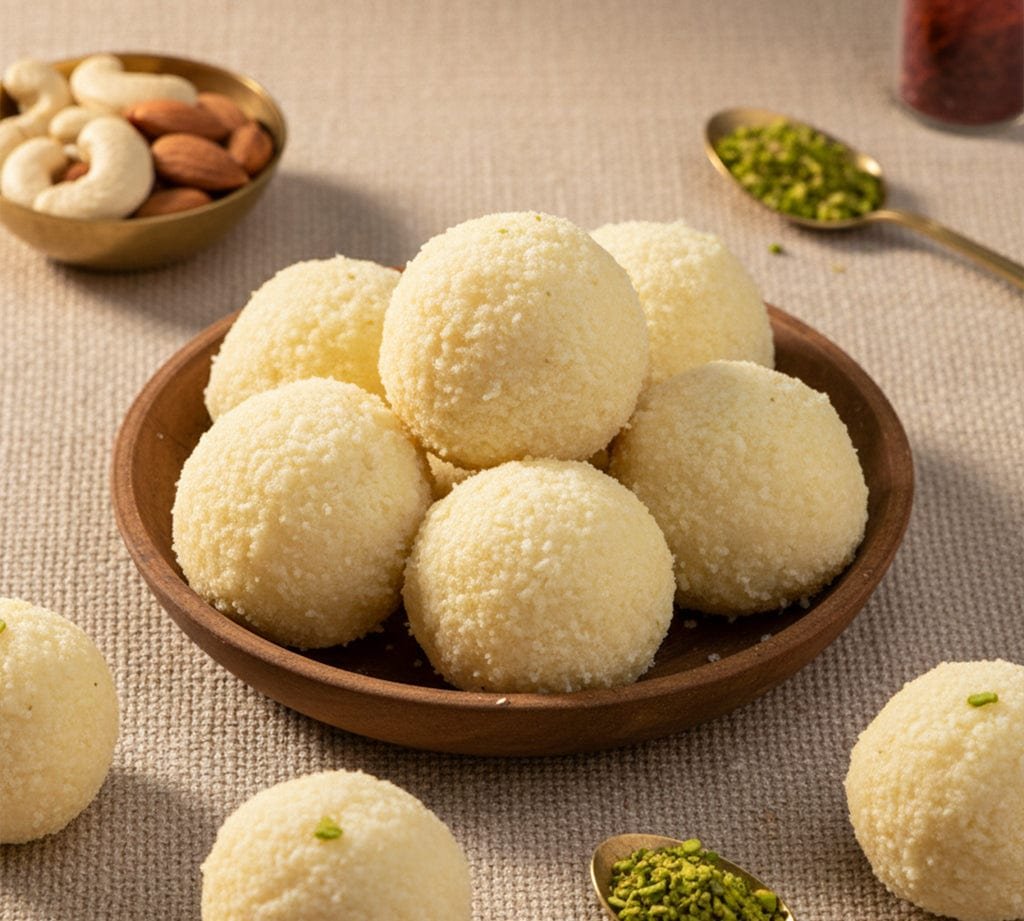
Kheer kadam is essentially a sweet inside a sweet, a small rosogolla-like chhana ball hidden inside a coating of khoya, designed to look like the kadam flower it is named after.
What it tastes like: The outer khoya shell is dense, milky, and mildly sweet, while biting through to the softer, syrup-soaked centre gives you a satisfying contrast of textures in a single piece.
What it is made of: A rosogolla or small chhana ball, coated in a shell of khoya (reduced milk solids) mixed with sugar, sometimes finished with a light dusting of milk powder for texture.
Where to try it: Bhim Chandra Nag in Burrabazar is one of the most celebrated addresses for kheer kadam in the city.
Traveller tip: Take a bite from the side rather than the top so you actually taste both layers at once, the outer khoya and the softer syrupy centre, rather than eating them as separate mouthfuls.
8. Pantua, Bengal’s Answer to Gulab Jamun
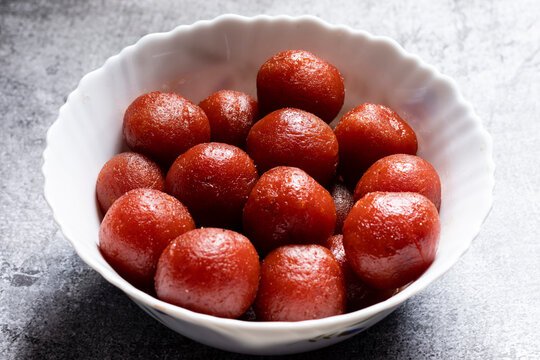
Pantua often gets called “Bengali gulab jamun,” which sells it a little short. It is darker, denser, and made with chhana rather than pure khoya, giving it a distinctly different bite than its North Indian cousin. It is also, notably, the sweet that langcha was originally derived from.
What it tastes like: Deep, caramelised sweetness with a slightly grainy, rustic texture from the chhena, soaked through with syrup that often carries a hint of cardamom or rose water.
What it is made of: Chhana kneaded with a little flour, rolled into balls, deep-fried until deep golden-brown, then soaked in warm sugar syrup.
Where to try it: Ganguram’s is well known for its pantua, and most traditional sweet shops across the city, especially in north Kolkata, carry a version worth trying.
Traveller tip: Ask for it warm rather than at room temperature if the shop can manage it. Pantua eaten fresh off the syrup pot, while still slightly warm, is a genuinely different experience from a boxed one bought hours earlier.
9. Patishapta, the Winter Crepe
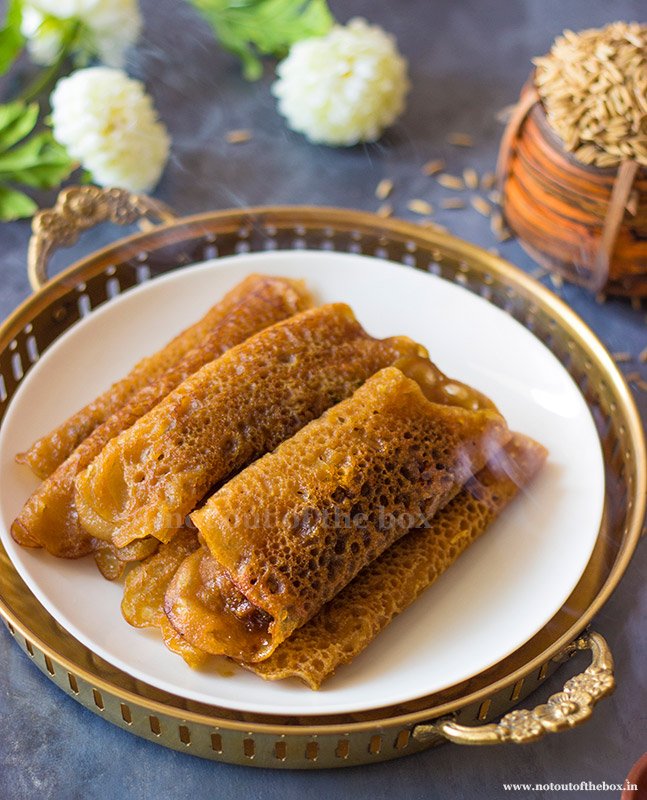
Patishapta is Bengal’s answer to the crepe, a thin rice-flour pancake rolled around a sweet filling, traditionally eaten during Poush Sankranti in mid-January, though good sweet shops now sell it through the winter months.
What it tastes like: A delicate, faintly nutty pancake wrapped around a filling that is usually intensely sweet and milky, sometimes with the caramel note of nolen gur running through it.
What it is made of: A thin batter of rice flour, all-purpose flour, and milk, cooked into a crepe, then filled with either khoya, coconut, or a nolen gur and khoya mixture, and rolled into a neat cylinder.
Where to try it: Balaram Mullick & Radharaman Mullick and Girish Chandra Dey and Nakur Chandra Nandy in Hedua, running since 1844, both make excellent seasonal versions.
Traveller tip: Visit in winter for the best version, made with nolen gur filling. Outside winter, most shops switch to a sugar-based filling that is pleasant but noticeably less special.
10. Ledikeni, the Sweet with a Royal Backstory
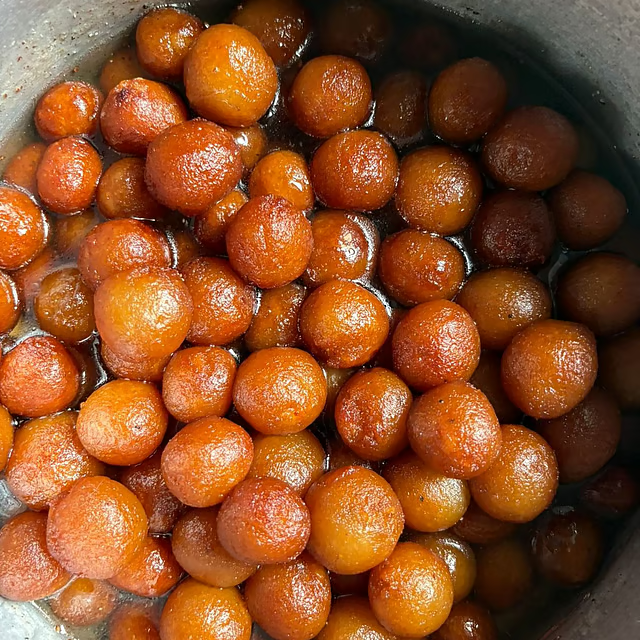
No dessert on this list carries a better story than ledikeni. It was created at Bhim Chandra Nag’s shop in Bowbazar in the 19th century, reportedly to honour a visit by Lady Canning, wife of the then Governor-General of India, and the name is a Bengali adaptation of “Lady Canning” itself.
What it tastes like: A close relative of pantua, with the same deep-fried, syrup-soaked richness, but typically slightly smaller and a touch more refined in texture, with a gentle spiced undertone.
What it is made of: Chhana and khoya combined, shaped into small balls, deep-fried, and soaked in sugar syrup, sometimes lightly flavoured with cardamom.
Where to try it: Bhim Chandra Nag in Bowbazar, the shop where it was invented, is still the only place to eat it and feel the full weight of the story behind it.
Traveller tip: Ask the staff to tell you the Lady Canning story while you eat it. Half of the joy of Kolkata’s sweet culture is that almost every dessert comes with a piece of the city’s own history attached.
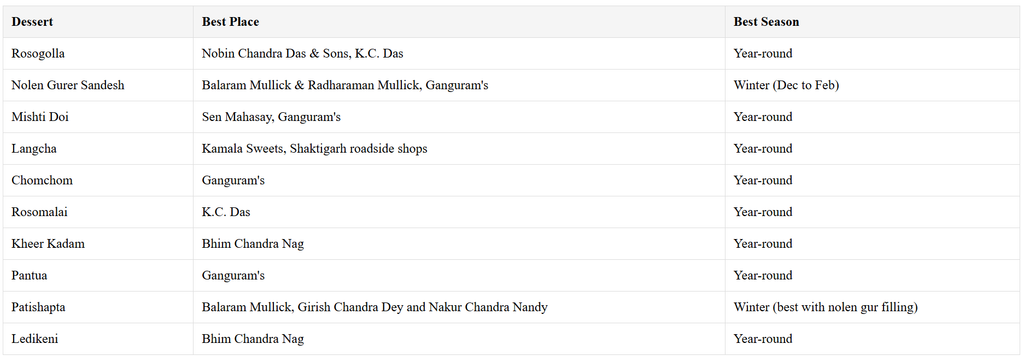
Quick Reference: Where to Eat What
General Tips for a Kolkata Sweet Crawl
- Go early in the day. Fresh batches typically come out in the morning, and popular items like nolen gurer sandesh can sell out by early afternoon during peak winter season.
- Ask what is fresh today, not what is popular. A good sweet shop will happily tell you which batch just came out. That is always your best order.
- Do not skip the smaller, century-old shops for the bigger branded ones. Heritage shops like Bhim Chandra Nag or Nobin Chandra Das & Sons are smaller and less flashy than modern outlets, but they are frequently the actual originators of the sweets you are eating.
- Carry an insulated bag if you are taking sweets back to a hotel or flight. Kolkata’s heat is not kind to milk-based desserts, and syrup-heavy sweets like langcha and pantua travel better than delicate ones like rosomalai.
- Pace yourself. A proper Kolkata sweet crawl over two or three shops in one sitting is enjoyable. Trying to eat all ten desserts in a single day is a genuinely bad idea, however tempting this list makes it sound.
Frequently Asked Questions
What other famous desserts can we try out in Kolkata ?
This is the list of the most popular desserts in Kolkata. But the diversity of sweets and desserts in Kolkata is huge. One can also try out other popular desserts such as Shor Bhaja, Mihidana, Chanar Payesh (cottage cheese rice pudding), Lobong Latika & Kamala Bhog
When is the best time to visit Kolkata for nolen gurer sandesh?
Nolen gur, or date palm jaggery, is only harvested between November and January, so the authentic nolen gurer sandesh is a strictly winter dessert. Visit between December and February for the real thing.
What is the difference between rosogolla and rosomalai?
Rosogolla is chhana balls soaked in a light sugar syrup, while rosomalai takes the same chhana base and soaks it instead in thick, sweetened, reduced milk called rabri, making it richer and creamier.
Where did langcha originate?
Langcha is believed to have originated in and around Shaktigarh in Bardhaman district, roughly two hours from Kolkata, where it remains a signature roadside specialty to this day.
Is Bengali mishti doi the same as regular sweetened yogurt?
Not quite. Mishti doi is set in unglazed clay pots that absorb moisture and add an earthy flavour, and it is typically sweetened with caramelised sugar or jaggery rather than plain sugar, giving it a deeper, custard-like taste.
What sweet should a first-time visitor to Kolkata try first?
Start with a fresh rosogolla from a heritage shop like Nobin Chandra Das & Sons or K.C. Das. It is the simplest introduction to Bengali sweet-making and sets a useful baseline before trying richer options like rosomalai or nolen gurer sandesh.
Ready to Start Your Kolkata Sweet Crawl?
Follow Kolkata Bites for more food trails, heritage spots, and hidden corners of the City of Joy.
Woww❤️❤️❤️